

Be-Simple
Making Customer Operations Simpler Before Making Them Smarter

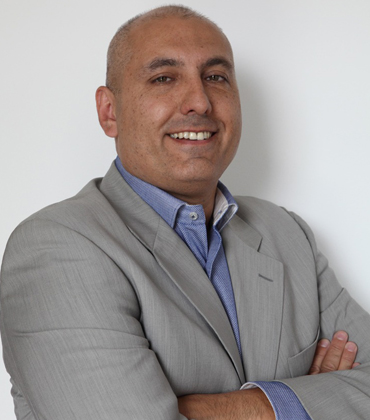 Gabriele Sannicandro, CEO
Be-Simple applies a workflow-first approach across its customer-service and CRM projects. It begins by understanding how people work and then selects, integrates or develops the technologies best suited to simplifying those processes. Zendesk is one of its principal areas of expertise, alongside broader CRM, integration and custom-development capabilities.
Before deciding how Zendesk should be configured, Be-Simple, an Italian cloud integrator and Zendesk Premier Partner, studies how customer service already functions, where employees can save time and which parts of the process can be improved. It then shapes the technology around that workflow, supporting the business without asking it to reorganise around the platform.
“It’s about finding the sweet spot between how a customer naturally works and how Zendesk operates. We aim to elevate processes without forcing the business to rebuild itself around software. By working closely with both my team and the client, we walk that path together to truly simplify the process,” says Gabriele Sannicandro, CEO.
Be-Simple’s approach has been proven in more than 400 Zendesk projects. It has learned that configuring the platform is often the easier part. The harder work comes earlier, in determining what should remain, what should change and what information employees genuinely need to resolve a customer request. The experience has also taught the team to introduce change progressively, beginning with essential workflows, involving the employees who use them and refining the platform around actual use and results.
We want to help companies develop a lasting culture of simplicity.
 A large international plumbing and sanitary-products company demonstrates the model in practice. Be-Simple brought inquiries, cases and escalations into a single Zendesk environment, introduced automatic triage and integrated information from systems including SAP. Agents no longer had to search across multiple sources or manually reconstruct each case before responding.
The Be-Simple name reflects its original mission of untangling technology that had become needlessly complex. Zendesk aligns with that philosophy. Its accessible interface supports faster adoption, while its integration capabilities allow it to work alongside CRM, ERP and other platforms already embedded across an enterprise.
Extending the Platform Only Where It Matters
Zendesk can support most of a service operation through its standard capabilities. Be-Simple extends the platform only when a client has requirements that those capabilities cannot address.
At that point, Be-Simple’s team builds the application or integration needed to solve the specific gap while only altering what is necessary. Several of those needs have led to proprietary applications of Be-Simple’s own.
WhatsApp Sender is one example. Zendesk allows agents to respond when a customer initiates a WhatsApp conversation, but some businesses also need to contact customers first. The application enables service teams to initiate outbound messages and send bulk communications like alerts and updates directly from Zendesk.
Prenotare.app, Be-Simple’s appointment-scheduling application for Zendesk, comes into play when resolving a support ticket requires a follow-up meeting or service intervention. Instead of managing that next step separately, the agent can schedule it directly through Zendesk, keeping the appointment connected to the original customer interaction.
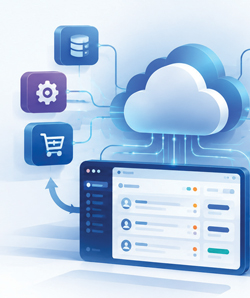 Company-specific governance requirements can create another need for customisation. Zendesk supports GDPR compliance, while individual enterprises may have additional internal rules governing how customer information is handled. Be-Simple can build the application or integration required to accommodate those rules within the service environment.
The need to adapt does not end at go-live. Some customers manage Zendesk independently through their internal IT teams, while others retain Be-Simple for administration, support and performance analysis as their operations evolve. For those clients, day-to-day use becomes the guide for what should change next. Be-Simple monitors how the platform is being used, refines configurations as processes evolve and helps determine whether a new requirement genuinely calls for an additional capability or can be addressed within the existing environment. Real usage becomes the next source of design input, allowing the platform to keep improving rather than treating go-live as the end of the process.
Enterprise Scale Without Losing the Simplicity
Be-Simple developed its enterprise expertise as a highly specialised cloud integrator. As engagements became larger and increasingly international, the company sought a broader delivery base without losing the focused expertise that distinguished its work.
Becoming part of Assist Digital Group provided that scale. Be-Simple can now draw on additional consultants, engineers and specialists when a project requires greater capacity or broader technical expertise, while continuing to lead with its CRM, Zendesk and customer-service expertise.
For clients, the model preserves specialist depth without making project size a constraint. They can continue working with a team that understands their Zendesk environment while accessing wider capabilities when a transformation requires it.
More Automation is Not Always Better
Companies have access to an ever-increasing number of AI tools capable of working across data held in CRM, ERP and customer-service environments. The abundance of options has changed the decision they now face. The question is no longer simply whether AI can be introduced, but where it will genuinely improve the way the business operates.
Be-Simple approaches the question by first looking at the work AI can assume.
One client, for example, wanted to automate an entire workflow. Rather than taking the full process there immediately, the team recommended starting with document recognition and classification. Repetitive manual work could be reduced first, while the parts of the process that still required greater understanding and judgment remained under human control.
The example reflects Be-Simple’s broader test for automation. AI creates value when it removes manual work, helps identify what a customer needs or makes the right information easier to retrieve. If it introduces another layer employees have to supervise or makes decisions harder to understand, its value as a solution is reevaluated.
Clear processes and reliable information have to come first. Be-Simple has learned that AI and automation are only as effective as the data and knowledge supporting them. Without that foundation, technology can accelerate an existing process without necessarily improving it.
 Sannicandro expects that balance to become even more important as customer-service platforms evolve. Systems such as Zendesk are moving beyond recording interactions toward helping to orchestrate them. He expects the most effective AI to become almost invisible, working in the background to recognise intent, summarise information, retrieve knowledge and coordinate routine processes while people remain responsible for relationships, judgment and empathy
Having worked through the rise of the internet, Sannicandro has already seen how a major technology shift can rapidly expand the choices available to businesses. He describes the arrival of AI as a terremoto; a technological earthquake capable of reshaping how companies operate. In that environment, Be-Simple helps clients distinguish what is possible from what is actually useful, introducing new capabilities where they make customer operations clearer and easier, rather than allowing novelty alone to drive the decision.
The legacy Sannicandro wants to leave goes beyond successful implementations.
“We want to help companies develop a lasting culture of simplicity,” he says.
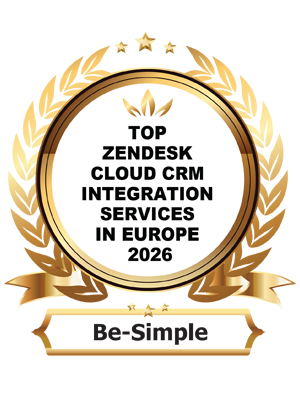
Recognition as Top Zendesk Cloud CRM Integration Services in Europe 2026 by CIOReview Europe reflects that philosophy. Whether the requirement involves integration, custom development, enterprise-scale delivery or AI, Be-Simple applies the same discipline; add capability where it creates value without passing more complexity on to the people expected to use it.
Company-specific governance requirements can create another need for customisation. Zendesk supports GDPR compliance, while individual enterprises may have additional internal rules governing how customer information is handled. Be-Simple can build the application or integration required to accommodate those rules within the service environment.The need to adapt does not end at go-live. Some customers manage Zendesk independently through their internal IT teams, while others retain Be-Simple for administration, support and performance analysis as their operations evolve. For those clients, day-to-day use becomes the guide for what should change next. Be-Simple monitors how the platform is being used, refines configurations as processes evolve and helps determine whether a new requirement genuinely calls for an additional capability or can be addressed within the existing environment. Real usage becomes the next source of design input, allowing the platform to keep improving rather than treating go-live as the end of the process.
Enterprise Scale Without Losing the Simplicity
Be-Simple developed its enterprise expertise as a highly specialised cloud integrator. As engagements became larger and increasingly international, the company sought a broader delivery base without losing the focused expertise that distinguished its work.
Becoming part of Assist Digital Group provided that scale. Be-Simple can now draw on additional consultants, engineers and specialists when a project requires greater capacity or broader technical expertise, while continuing to lead with its CRM, Zendesk and customer-service expertise.
For clients, the model preserves specialist depth without making project size a constraint. They can continue working with a team that understands their Zendesk environment while accessing wider capabilities when a transformation requires it.
More Automation is Not Always Better
Companies have access to an ever-increasing number of AI tools capable of working across data held in CRM, ERP and customer-service environments. The abundance of options has changed the decision they now face. The question is no longer simply whether AI can be introduced, but where it will genuinely improve the way the business operates.
Be-Simple approaches the question by first looking at the work AI can assume.
One client, for example, wanted to automate an entire workflow. Rather than taking the full process there immediately, the team recommended starting with document recognition and classification. Repetitive manual work could be reduced first, while the parts of the process that still required greater understanding and judgment remained under human control.
-
We aim to elevate processes without forcing the business to rebuild itself around software. By working closely with both my team and the client, we walk that path together to truly simplify the process.
The example reflects Be-Simple’s broader test for automation. AI creates value when it removes manual work, helps identify what a customer needs or makes the right information easier to retrieve. If it introduces another layer employees have to supervise or makes decisions harder to understand, its value as a solution is reevaluated.
Clear processes and reliable information have to come first. Be-Simple has learned that AI and automation are only as effective as the data and knowledge supporting them. Without that foundation, technology can accelerate an existing process without necessarily improving it.
Sannicandro expects that balance to become even more important as customer-service platforms evolve. Systems such as Zendesk are moving beyond recording interactions toward helping to orchestrate them. He expects the most effective AI to become almost invisible, working in the background to recognise intent, summarise information, retrieve knowledge and coordinate routine processes while people remain responsible for relationships, judgment and empathyHaving worked through the rise of the internet, Sannicandro has already seen how a major technology shift can rapidly expand the choices available to businesses. He describes the arrival of AI as a terremoto; a technological earthquake capable of reshaping how companies operate. In that environment, Be-Simple helps clients distinguish what is possible from what is actually useful, introducing new capabilities where they make customer operations clearer and easier, rather than allowing novelty alone to drive the decision.
The legacy Sannicandro wants to leave goes beyond successful implementations.
“We want to help companies develop a lasting culture of simplicity,” he says.
Recognition as Top Zendesk Cloud CRM Integration Services in Europe 2026 by CIOReview Europe reflects that philosophy. Whether the requirement involves integration, custom development, enterprise-scale delivery or AI, Be-Simple applies the same discipline; add capability where it creates value without passing more complexity on to the people expected to use it.
| Share this Article: Tweet |
Company
Be-Simple
Management
Gabriele Sannicandro, CEO
Description
Be-Simple is an Italian cloud integrator specialising in CRM and customer-service environments. With deep Zendesk expertise, it helps enterprises simplify workflows, connect business systems, extend platforms when needed and apply AI selectively to improve service without adding unnecessary complexity.
Top
