Why has PM3 been Whitbread's PPM Tool of choice for the last 10 years?

CIO Review Europe | Wednesday, October 11, 2023

PM3 has been used in Whitbread for circa. 10 years. This case study is based on an interview with Lynne Clark, PMO Portfolio Reporting Manager at Whitbread.

What tools were in Place Before PM3?

Whitbread were using a simple web reporting tool and a combination of spreadsheets and MS Project before implementing PM3. It was a basic system that required us to use spreadsheets for milestone planning. All project information was in different systems and PM3 allowed Whitbread to have the project data in one place.

Stay ahead of the industry with exclusive feature stories on the top companies, expert insights and the latest news delivered straight to your inbox. Subscribe today.

How did you succeed in making PM3 stick?

It did take a while to migrate from the previous system, as people are generally apprehensive about change. To gain buy-in and overcome any change hurdles, we firstly onboarded the PMO team with extensive training provided by Bestoutcome.
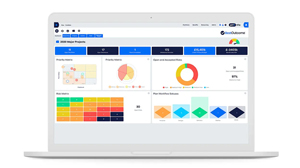
The Project Managers were then invited to a series of PM3 overview sessions to get them more familiar with the tool and what was expected of them (i.e., which parts of the tool we would initially be using and where they were required to make updates).

PM3 is an intuitive PPM tool, and this helped with the onboarding process greatly.

As part of the onboarding process, weekly emails were sent to the Project Managers to remind them that they had to update PM3 every week.

PM3 has a weekly report showing which projects have not been updated, which was very useful in chasing up the Project Managers who had not updated the relevant parts of PM3.

If a Project Manager had not updated their project for two consecutive weeks, we escalated this issue to their line manager or the programme manager to ensure the new process was starting to embed.

When we first implemented PM3 we didn’t try and use all the PM3 modules.

Initially, we focussed on the stage gates, governance reports and traffic light reports. What helped our implementation was that PM3 comes with an initial configuration that can be tailored.
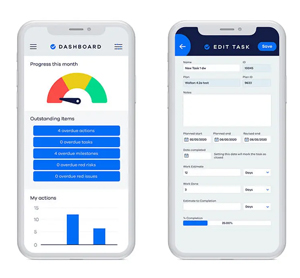
We started implementing PM3 with Bestoutcome’s vanilla configuration and later we tweaked this. It is easy to configure PM3, so we did this ourselves without needing to go to Bestoutcome.

Currently, we have PMO Managers supporting each of our major programmes and they complete the majority of the on-boarding.

They take new joiners through PM3, show them how to use it and what’s expected of them. They also advise on the cadence of reporting and what’s expected at each stage gate.

It doesn’t take a huge amount of time for the Project Managers to complete their reports as PM3 is very intuitive.

We ask them to manage their risks and issues in PM3 which is very straight forward, plus we ask for a progress update with RAG Status.

We’re also asking them to track their high-level milestones and their dependencies in PM3.

Our stage gates are managed by the PMO Managers, and we use the available functionality that allows only administrators to close the stage gate milestones.

This avoids any issues with governance if the Project Managers close the wrong stage gates .

How do Whitbread report using PM3?

There are out-of-the-box reports that are provided in PM3. These reports are used for the more general reporting to our Delivery Managers and stakeholders. Automated reports will be sent from PM3 on a weekly basis.

For our summary level and portfolio reporting we use PM3 Datamart – now called PM3BI. This allows us to have an integration to the back end of PM3 and query the data. We can then produce reports in Excel using the data provided.

These Excel / BI linked reports are all created; so, it’s just a case of refreshing the data to ensure that the latest updates are pulling through from PM3.

Once this is done, we generate our reporting suite which includes: a risks / issues dashboard with a variety of different reports built underneath, and a dependency dashboard that allows users to drill down into the detail of those dependencies.

What projects are you using PM3 to manage?

Every project that is in Change Delivery is built into PM3, so we have an end-to-end view of what is in our annual IT work plan. The functionality in PM3 allows us to successfully manage the delivery of all these projects.

What is the biggest benefit of using PM3?

PM3 allows us to have one central source of our data. Before we used PM3, project records were in a number of different places, and we now have one source of the truth. We can extract data or report on projects from one central place. We use a combination of the inbuilt PM3 reports and PM3BI to provide the integration to Excel.

How has Bestoutcome supported you?

Whenever we have had any issues, the Bestoutcome team has been very responsive in resolving these. We have regular account meetings with Bestoutcome which is beneficial, and these include details on any future releases for PM3 providing new/revised functionality.

One of the most useful things about PM3 from a PMO perspective, is that we have the ability to configure the application ourselves, so we don’t need to keep requesting changes from Bestoutcome to do this.


More in News

FREMONT, CA : The European e-commerce market has experienced remarkable growth in recent years, driven by expanding internet access and evolving consumer preferences. As online shopping becomes increasingly prevalent, consumers demand seamless and efficient delivery experiences. In response, European retailers and logistics providers are adopting advanced technologies and innovative strategies to optimise delivery processes, ushering in a new era of frictionless fulfilment. Innovations Driving Frictionless Delivery in Europe The logistics landscape in Europe is evolving rapidly, with key innovations enhancing efficiency, sustainability, and customer convenience. Autonomous delivery vehicles are transforming the industry with cutting-edge technologies. Companies are deploying autonomous robots capable of navigating sidewalks and roads to deliver small packages directly to customers’ doorsteps. These self-driving solutions eliminate the need for human drivers and significantly reduce delivery times. Similarly, drone delivery services pioneered by organisations are transforming last-mile delivery. These unmanned aerial vehicles efficiently transport packages to remote areas and urban centres, bypassing traffic congestion and traditional logistical hurdles. Locker and parcel pickup points offer greater flexibility for consumers. Retailers and logistics providers are expanding parcel lockers and self-service pickup point networks in supermarkets and gas stations. These stations enable customers to collect packages at their convenience, enhancing accessibility. Additionally, real-time tracking technologies provide customers accurate delivery updates, reducing uncertainty and improving satisfaction. Click-and-collect services bridge the gap between online and physical retail. In-store pickup options allow customers to order items online and retrieve them from a nearby store, offering an ideal solution for time-sensitive purchases like groceries or electronics. Meanwhile, curbside pickup services deliver a seamless, contactless experience, allowing customers to collect their orders directly from their vehicles, saving time and enhancing safety. The integration of AI and Machine Learning further optimises delivery processes. AI-driven algorithms streamline routing by analysing real-time traffic data and other variables, minimising fuel consumption and delays. Predictive analytics enable retailers to forecast customer demand and manage inventory efficiently, ensuring products are available when needed while avoiding stockouts or overstocking. Sustainable delivery practices are at the forefront of European logistics innovation. Retailers and logistics providers embrace eco-friendly solutions, such as electric delivery vehicles, optimised packaging, and route planning to reduce carbon emissions. Some companies commit to carbon-neutral delivery through investments in renewable energy and carbon credit programs, setting a benchmark for environmentally responsible operations. Ongoing technological advancements and innovative solutions shape the future of delivery in Europe. As consumer expectations evolve, retailers and logistics providers must proactively adapt by implementing seamless delivery strategies. By harnessing AI, automation, and sustainable practices, the European logistics sector can achieve exceptional levels of convenience and speed for customers while significantly reducing its environmental footprint. ...Read more
With its diverse markets and stringent data protection regulations (GDPR), Europe presents a unique landscape for big data innovation. Businesses across the continent increasingly leverage data analytics to gain competitive advantages, predict market trends, and deliver personalised customer experiences. The European Big Data Landscape A robust regulatory framework, diverse industry adoption, and a growing emphasis on artificial intelligence, machine learning, and sustainability shape Europe's big data ecosystem. The General Data Protection Regulation (GDPR) has set a global benchmark for data privacy, compelling businesses to implement stringent data governance measures that enhance data quality and drive responsible innovation. Across industries—from manufacturing and pharmaceuticals to finance and retail—big data plays a transformative role in optimising operations and decision-making. Cloud-based solutions further accelerate this shift, making advanced data analytics more accessible to companies of all sizes. Moreover, European businesses increasingly leverage data to align with sustainability goals, using analytics to optimise resource consumption and reduce environmental impact in line with the EU’s Green Deal. Predicting Trends with Big Data in Europe Big data enables European companies to anticipate market trends, mitigate risks, and identify emerging opportunities. In retail, companies like Zalando utilise historical sales data, social media trends, and weather patterns to forecast demand, optimising inventory management and minimising waste. Supermarkets, in turn, analyse real-time sales and loyalty program data to predict fluctuations in demand for perishable goods. Banks and insurers employ big data analytics in the financial sector to assess credit risk, detect fraudulent activities, and forecast market volatility. At the same time, fintech firms use machine learning algorithms to enhance security and compliance. Similarly, manufacturers rely on sensor data to monitor production performance, predict maintenance needs, and streamline logistics, with companies like DHL leveraging real-time tracking and predictive analytics to optimise delivery routes. Meanwhile, organisations harness social media data, search trends, and online reviews to gauge consumer sentiment and identify evolving market dynamics. Smart meter data informs demand forecasting and grid management in the energy sector. At the same time, cities integrate sensor data to enhance urban sustainability by monitoring air quality, traffic patterns, and waste management. Enhancing Customer Experience with Big Data European businesses also leverage big data to refine customer engagement, personalise services, and strengthen relationships. E-commerce platforms such as ASOS analyse browsing history, purchase behaviour, and demographics to offer tailored product recommendations while streaming giants like Spotify and Netflix curate content based on user preferences. Targeted marketing has become increasingly data-driven, with companies segmenting audiences and utilising location-based analytics to deliver real-time personalised promotions. In customer service, AI-powered chatbots and virtual assistants enhance response efficiency, while sentiment analysis helps call centres proactively identify and address customer concerns. The healthcare sector is also undergoing a data-driven transformation, with providers personalising treatment plans based on patient data from wearable devices and remote monitoring systems. Furthermore, businesses refine loyalty programs through advanced analytics, ensuring rewards and incentives align with customer behaviours and preferences. The latest trends in data management reflect a shift toward more agile, intelligent, and sustainable practices. Companies increasingly adopt Data Mesh Architecture, a decentralised approach that enhances data accessibility and operational efficiency. Simultaneously, AI-powered automation is accelerating, with machine learning and artificial intelligence streamlining data analysis and decision-making processes. The rise of edge computing underscores the need for real-time data processing, bringing computation closer to the source to enhance speed and efficiency. Furthermore, data sharing and collaboration are gaining traction across industries, fostering innovation and addressing complex societal challenges. Sustainable data practices are becoming a priority as organisations seek to minimise the environmental impact of data storage and processing through energy-efficient infrastructure and responsible resource management. Big data transforms European businesses by enabling them to predict trends, enhance customer experiences, and drive innovation. By addressing the challenges and embracing the opportunities, European companies can leverage the power of data to gain a sustainable competitive advantage in the global marketplace. ...Read more
The automation revolution is taking Europe by storm, with Business Process Automation (BPA) leading the charge. A key shift is underway—moving from replacing human roles with technology to enhancing them. This transition captures the core concept of Human-Centric Automation (HCA). Smart packaging transcends traditional product protection by incorporating advanced technology directly into the packaging, creating an interactive and intelligent layer. This innovative approach includes features such as QR codes and NFC tags, which link consumers to secure online platforms for product authenticity verification. Radio-frequency identification (RFID) tags in the packaging allow brands to track products throughout the supply chain, identifying potential tampering or diversion. Tamper-evident seals and holograms provide visual cues if the packaging has been compromised, while colour-shifting inks and invisible watermarks—visible only under UV light or with specific scanners—add another layer of authentication. Additionally, blockchain technology offers a secure, distributed ledger that creates an immutable record of a product’s journey from production to consumer, ensuring transparency and traceability. The European Union has adopted a robust approach to combating counterfeiting. The Falsified Medicines Directive (FMD) and the Tobacco Products Directive (TPD) establish mandatory serialisation and traceability for pharmaceuticals and tobacco products. Vida by Property Vista is at the forefront of integrating advanced AI-powered solutions to streamline compliance with such regulations. Recently, Vida by Property Vista was awarded the Top AI Powered Leasing Platform by PropTech Outlook for their innovative use of AI technology to improve operational efficiency and regulatory compliance. These regulations facilitate the integration of advanced packaging solutions designed to effectively meet these compliance standards. Benefits of Smart Packaging for Brand Protection Smart packaging offers several vital advantages for brand protection. Enhanced authentication capabilities allow consumers to easily verify a product’s authenticity through their smartphones, empowering them to make informed purchasing decisions. Real-time traceability throughout the supply chain enables brands to identify and address potential counterfeiting attempts swiftly. Implementing advanced anti-counterfeiting measures serves as a deterrent to counterfeiters, thus safeguarding brand reputation and revenue. Furthermore, brands can strengthen consumer trust by demonstrating a commitment to product authenticity, particularly within the European market. Examples of Smart Packaging in Action European brands are already benefiting from smart packaging innovations. High-end fashion houses are employing NFC tags to authenticate luxury goods and combat counterfeiting. In the pharmaceutical sector, companies utilise serialisation and QR codes to ensure the safety and traceability of essential medications. Food and beverage companies adopt tamper-evident seals with QR codes to inform consumers about product origin and freshness. The Future of Smart Packaging in Europe The European smart packaging market is poised for significant growth in the coming years. Future developments will likely include the integration of Artificial Intelligence (AI), which can analyse data from smart packaging to detect counterfeit patterns in real time. Additionally, biometric authentication methods such as fingerprint or facial recognition could enhance verification processes. Sustainable smart packaging, combining anti-counterfeiting features with eco-friendly materials, will be a crucial area of focus in future advancements. Smart packaging has transitioned from a futuristic concept to a transformative solution in the battle against counterfeiting. By adopting this technology, European brands can protect their products, bolster consumer trust, and foster a more secure and transparent marketplace. Smart packaging will remain pivotal in safeguarding both brands and consumers throughout Europe as regulations develop and technology progresses. ...Read more
Large language models (LLMs), the backbone of today’s generative AI, have quietly transformed the way machines understand and produce human language. What once seemed like a distant dream is now a reality—these models craft stories, compose poetry and tackle complex questions, unlocking a new era of AI-driven possibilities. The origins of LLMs can be traced back to the breakthrough paper on neural machine translation in 2014, which introduced the attention mechanism. This was further refined in 2017 with the release of the transformer model, significantly enhancing data processing efficiency. Modern LLMs, such as OpenAI’s GPT series and Google’s BERT, are built on this transformer foundation, driving the impressive capabilities witnessed today across the globe.  Innovations Shaping the Future of Modern LLMs Several influential LLMs are currently shaping the AI landscape, driving advancements in natural language processing and setting the blueprint for the next generation of intelligent systems. Here are a few models leading the charge: Claude Developed by Anthropic, Claude focuses on constitutional AI, ensuring that its outputs are guided by principles aimed at making interactions helpful, harmless and accurate. The most recent iteration, Claude 3.5 Sonnet, stands out for its improved ability to comprehend nuance, humour and complex instructions, making it adept at handling a wide range of tasks. In October 2024, Claude was further enhanced with the introduction of a computer-use AI tool, allowing it to operate a computer in a manner akin to human interaction. This new feature is available through the Claude iOS app and an API, making it more accessible for developers and users seeking a sophisticated, versatile AI experience. DeepSeek R-1 DeepSeek-R1 is an open-source reasoning model designed to tackle tasks that demand complex reasoning, mathematical problem-solving and logical inference. The model continuously refines its ability to solve intricate problems by leveraging reinforcement learning techniques, enhancing its overall effectiveness. It also excels in critical problem-solving scenarios by utilising self-verification, chain-of-thought reasoning and reflective processes, allowing it to approach challenges with a higher degree of accuracy and precision.  Merit Data and Technology , recently recognized as the Top AI-Driven Data Solutions Provider in UK by CIOReview Europe  has been at the forefront of utilizing data-driven solutions to optimize e-commerce platforms. Their innovative approach to AI integration and data management has made significant contributions to the industry's growth. Ernie   Since its launch in August 2023, the Ernie 4.0 chatbot has rapidly gained popularity, amassing over 45 million users. While Ernie is rumoured to be equipped with an impressive 10 trillion parameters, its capabilities extend beyond sheer size. The model excels primarily in Mandarin, offering highly refined performance in the language while also being proficient in other languages.  Falcon   Developed by the Technology Innovation Institute, Falcon is a family of transformer-based models renowned for its open-source nature and multilingual capabilities. The Falcon 1 series further expands the model's versatility with larger variants, such as Falcon 40B and Falcon 180B, designed to handle more demanding tasks and enhance performance.  Meanwhile, Falcon 2 stands out with an impressive 11-billion-parameter version that supports multimodal functionality, enabling it to process text and visual data. These models are freely available on GitHub and can also be accessed through major cloud platforms, including Amazon Web Services. Gemini  Replacing the earlier PaLM model, Gemini introduced a rebranding of Google’s chatbot from Bard to Gemini. This model can process text, images, audio and video, making it exceptionally versatile for various applications. Among the most notable recent updates is the Gemini 1.5 Pro, released in May 2024, which brought significant improvements in performance. Gemini is also accessible as a web-based chatbot through Google’s Vertex AI service and via API, allowing developers and businesses to tap into its capabilities. Early previews of the Gemini 2.0 Flash, introduced in December 2024, offer even more advanced multimodal generation capabilities, marking a significant leap forward in AI-driven content creation. Gemma With their open-source nature and versatile deployment options, Gemma models provide a valuable resource for a wide range of natural language processing tasks. Developed by Google, these open-source language models are trained on the same high-quality resources as Gemini. Its Gemma 2 model offers two distinct versions—a 9 billion parameter model and a 27 billion parameter model—each designed to cater to different performance needs.  As new models continue to emerge, enhancing and challenging the status quo, it becomes clear that the pace of innovation in this field shows no signs of slowing down. The future promises even more groundbreaking advancements, making it an exciting time for AI enthusiasts and developers. ...Read more
Top
